
 Posted by
 Every year, millions of crash survivors walk out of hospitals with more than just physical injuries. They leave with disrupted routines, weakened bodies, and little guidance on how to rebuild.
Getting back to your pre-accident fitness level is not something that happens on its own. It takes a structured approach, the right professionals in your corner, and more patience than most survivors expect to need.
Start With What Your Doctor Says
Before you attempt any form of exercise or physical activity, get cleared by your doctor. This step is non-negotiable. Your body may have internal injuries or fractures that are not immediately obvious, and pushing too hard too soon can make things significantly worse.
Your physician may refer you to a specialist, such as an orthopedic surgeon or a neurologist, depending on your injuries. Listen carefully to their advice and ask questions. Understanding your own condition puts you in a better position to make smart decisions about your recovery.
Work With a Physical Therapist
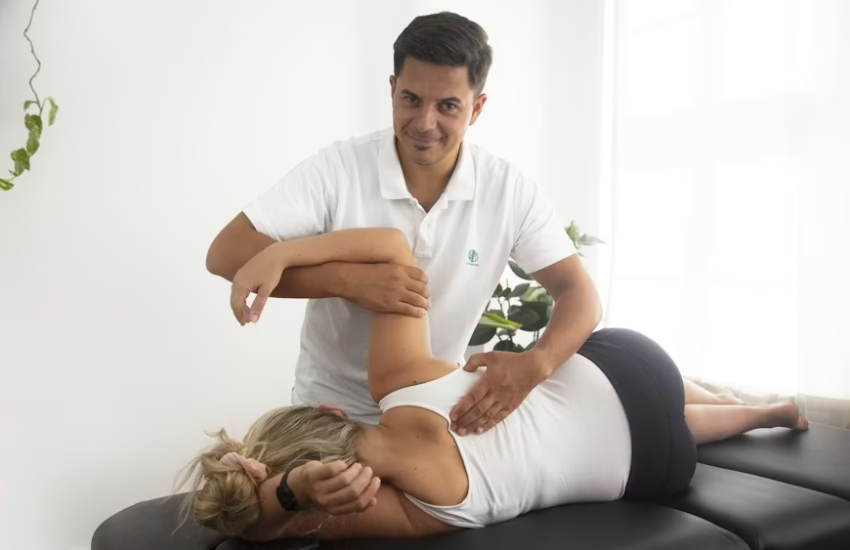
Physical therapy is one of the most effective tools a crash survivor has. A licensed physical therapist will assess your injuries and build a program that is specifically designed for your body. They will not give you a generic workout plan. They will give you a targeted recovery roadmap.
Sessions often start slow, focusing on gentle movement, flexibility, and reducing stiffness. Over time, the exercises become more challenging as your body heals. Consistency matters here more than intensity. Showing up regularly and doing the work is what drives progress.
Do not skip sessions because you feel like you are not seeing fast results. Healing from a major crash is rarely linear. Some weeks will feel like breakthroughs, and others will feel like setbacks. That is completely normal.
Rebuild Strength Gradually
Once your therapist gives you the green light to start more active training, approach it with patience. Trying to return to your pre-accident fitness level overnight is one of the biggest mistakes crash survivors make. Your muscles, joints, and connective tissue need time to adapt.
Start with low-impact activities like walking, swimming, or light resistance training. These are easier on your joints while still helping you rebuild strength and endurance. As your body adjusts, you can gradually increase the duration and intensity of your workouts.
Track your progress, even in small ways. Noticing that you can walk a little farther or lift a little more each week is a powerful motivator and a sign that your body is responding well.
Pay Attention to Your Mental Health
Physical recovery gets most of the attention, but mental health is just as important after a major crash. Many survivors deal with anxiety, post-traumatic stress, depression, or a deep fear of driving again. These are not signs of weakness. They are natural responses to a traumatic event.
If you notice that fear or low mood is getting in the way of your recovery or your daily life, speak to a mental health professional. A therapist who specializes in trauma can help you process what happened and develop healthier coping strategies.
Your emotional state directly affects your physical healing. Chronic stress raises cortisol levels, which can slow tissue repair and weaken your immune system. Taking care of your mind is taking care of your body.
Fuel Your Recovery With the Right Nutrition
Your body needs the right nutrients to repair itself. After a major injury, protein becomes especially important because it supports muscle repair and tissue regeneration. Lean meats, eggs, legumes, and dairy are all solid sources.
Anti-inflammatory foods also play a big role in managing pain and swelling during recovery. Berries, leafy greens, fatty fish, and nuts are all worth adding to your regular meals. Staying well-hydrated is equally important, as water supports every function in the body, including healing.
Avoid leaning heavily on processed foods or alcohol during recovery. These can increase inflammation and interfere with the sleep your body needs to repair itself overnight.
Using an Injury Claim to Afford Recovery
“Physical therapy, specialist appointments, gym memberships, nutritional support, and mental health counseling all cost money. If another driver caused your accident, you should not have to bear those costs alone,” says Morris Injury Law, a summerlin nv car accident lawyer.
A personal injury claim allows the injured party to seek compensation for medical expenses, lost wages, and pain and suffering. Filing a claim can feel overwhelming when you are already dealing with your recovery, but it can make a significant difference in what care you are actually able to access.
Working with a personal injury attorney early in the process is a smart move. Most attorneys in this field work on a contingency basis, meaning they only get paid if you win your case. This makes legal representation accessible even when finances are tight.
The compensation from a successful claim can cover your physical therapy sessions, cover the cost of gym equipment or a fitness program, and even pay for mental health support. In short, it removes financial barriers that might otherwise slow your recovery down or stop it entirely.
Do not wait too long to explore this option. Most states have a statute of limitations on personal injury claims, meaning there is a deadline for filing. The sooner you speak with an attorney, the better your chances of building a strong case while evidence is still fresh.
Set Realistic Goals and Celebrate Progress
Recovery from a major crash is a long road, and it helps to break it into smaller milestones. Instead of focusing only on where you want to end up, focus on where you are going this week or this month. Small, achievable goals keep motivation alive during a process that can otherwise feel endless.
Celebrate wins that might seem minor to others. Getting through a full week of therapy, sleeping through the night without pain, or being able to walk around the block unaided are all victories worth acknowledging.
Surround yourself with supportive friends, family, and healthcare professionals who believe in your recovery. Their encouragement matters more than most crash survivors realize. You do not have to do this alone, and with the right foundation in place, getting your fitness back is absolutely within reach.
